Interview with Thomas Langewehr (Ager Sonus)
Conducted by: Michael Barnett
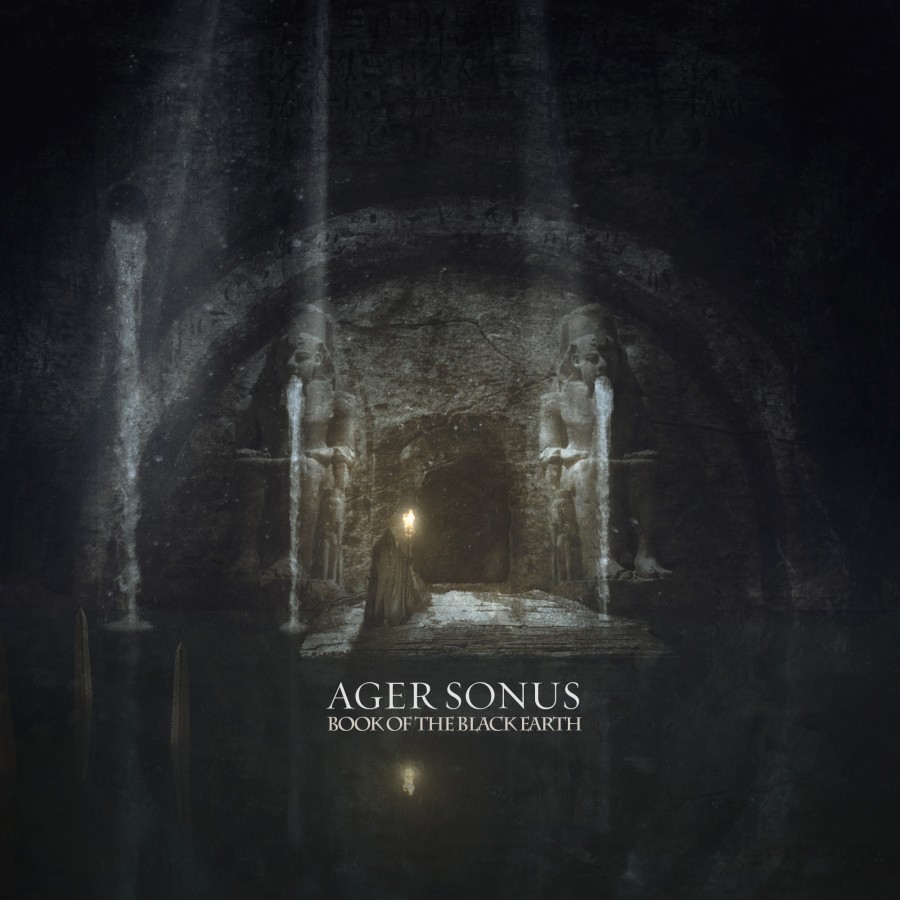
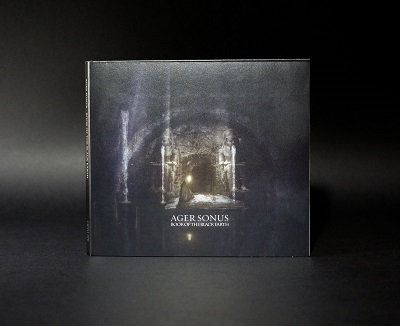
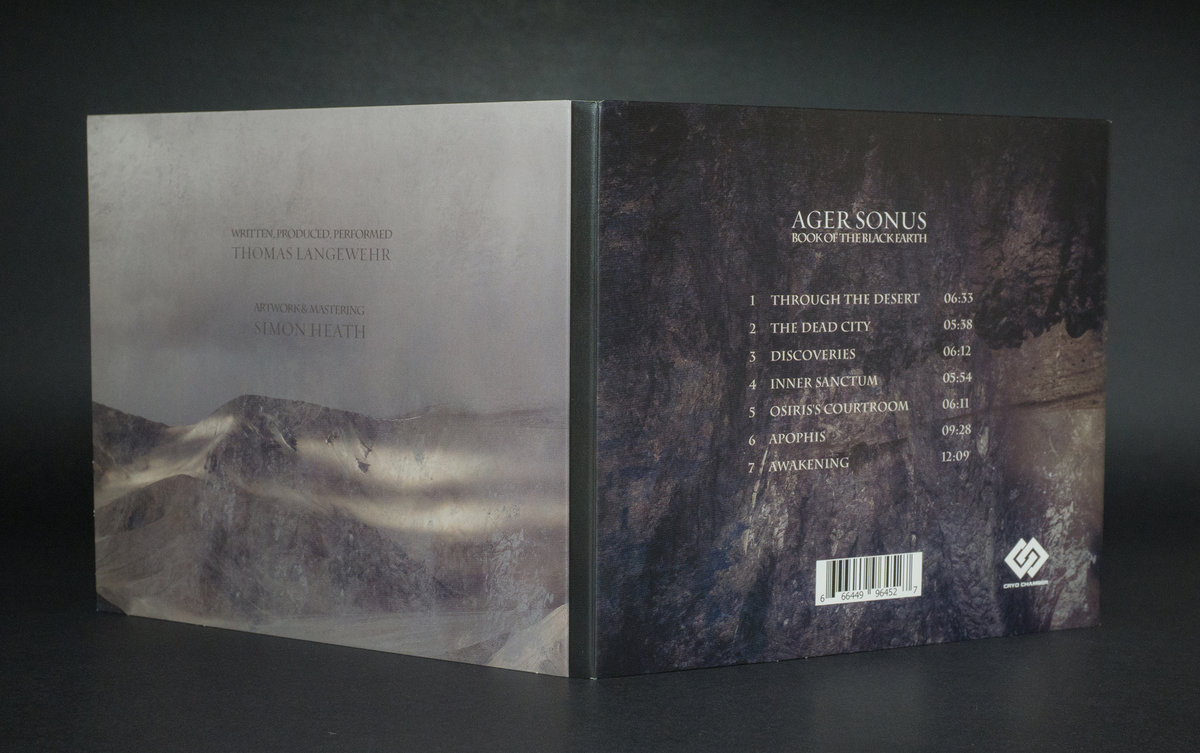
Ager Sonus is a dark ambient project out of Germany. While he has had several previous self-released albums, Book of the Black Earth is his first major label release. Releasing through Cryo Chamber immediately drew a lot of attention to his music and it seemed like the perfect time to get in contact with him and find out more about Ager Sonus. Thomas talks to me about some of his inspirations, recording techniques and the history of his musical career. As always, I hope you’ll enjoy the interview and definitely give his music a listen!
Michael: Book of the Black Earth has been on repeat here at This Is Darkness HQ quite a bit since release. The album seems to be getting a great reception from fans and critics alike. Did you expect this kind of response?
Thomas: To be honest, I did not expect that. I am surely not the only musician who has doubts about the music he creates. I usually listen to every single song multiple times on multiple devices before I am “ok” with it, and even then I will go “could I have done this better?” from time to time.
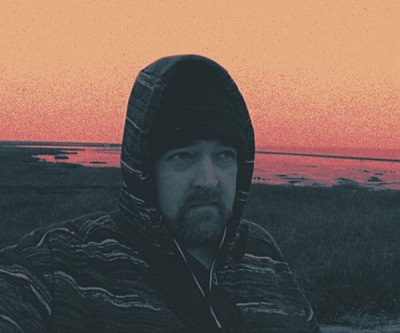 But the release of this album has shown me that there was no need for those doubts. I was very suprised when people started to give me positive feedback, were it as comments under the videos Cryo Chamber uploaded to Youtube or messages/posts on Facebook. It has been a very positive experience so far, this is definitely the most feedback I have ever gotten, also of course due to the the huge amount of fans Cryo Chamber has. I noticed that this genre really is a big family, I have not seen fighting by fans like we see in many other genres, so I definitely appreciate it a lot that the CC fans have such an open mind and gave me a warm welcome. The reviews so far have also been great, even though so far there are only two reviews, more might be coming.
Michael: I have no doubt that you will see more reviews coming in over the next month/year. Cryo Chamber is quite obviously one of the biggest players in the current dark ambient scene. How has your experience been with them so far, as opposed to releasing your music independently?
Thomas: Like mentioned above I immediately noticed the huge amount of feedback due to the large fan-base Cryo Chamber has. Also the response just from the artists within Cryo Chamber, those are the people that I look up to, that made me get into this genre. Talking to Simon (Atrium Carceri) over the years has made me a better musician, especially in terms of mixing, he also said in one of our first chats that I would have to develop my own “voice” which I did not see at that time but it actually came out even though it took a lot of time.
My releases so far have not gotten much feedback or reception. Only a handful of people bought my previous albums (for which I am very grateful to everyone who gave me that support!) and word didn’t really spread at least not that I would have noticed. Critical reception has always been good, but I pretty much only had one person who was always willing to review my music (Casey Douglass – shoutout!).
Michael: Casey definitely runs a great blog. I always enjoy comparing our takes on an album after I’ve finished writing my review. (I never read other reviews before writing my own.) Have you been following dark ambient for a while now, or are you relatively new to this genre?
 Thomas: I have been following the genre since around 2007/2008, after S.T.A.L.K.E.R. – Shadow of Chernobyl was released, one of my favorite video-games. The music of that game was one of the many reasons why that game was so amazing and it had this amazing atmosphere that was, and still is, one of the best in gaming. I did not know the term “dark ambient” or “ambient” even as a genre, so once I had that and started to look into it a whole world of musical marvel unfolded in front of me.
Michael: Are there any particular albums or artists that inspired you to become active in this genre?
Thomas: Hard to pick only a few because there are so many. But if you’d ask me what were some of the early ones that amazed me I would say Kammarheit, Atrium Carceri and Svartsinn. “I Found It Weeping In The Field” is one of my favorite dark ambient tracks and reminded me a lot of the atmosphere in S.T.A.L.K.E.R. and in that regard Nord Ambient Alliance was one of the first dark ambient albums I listened to.
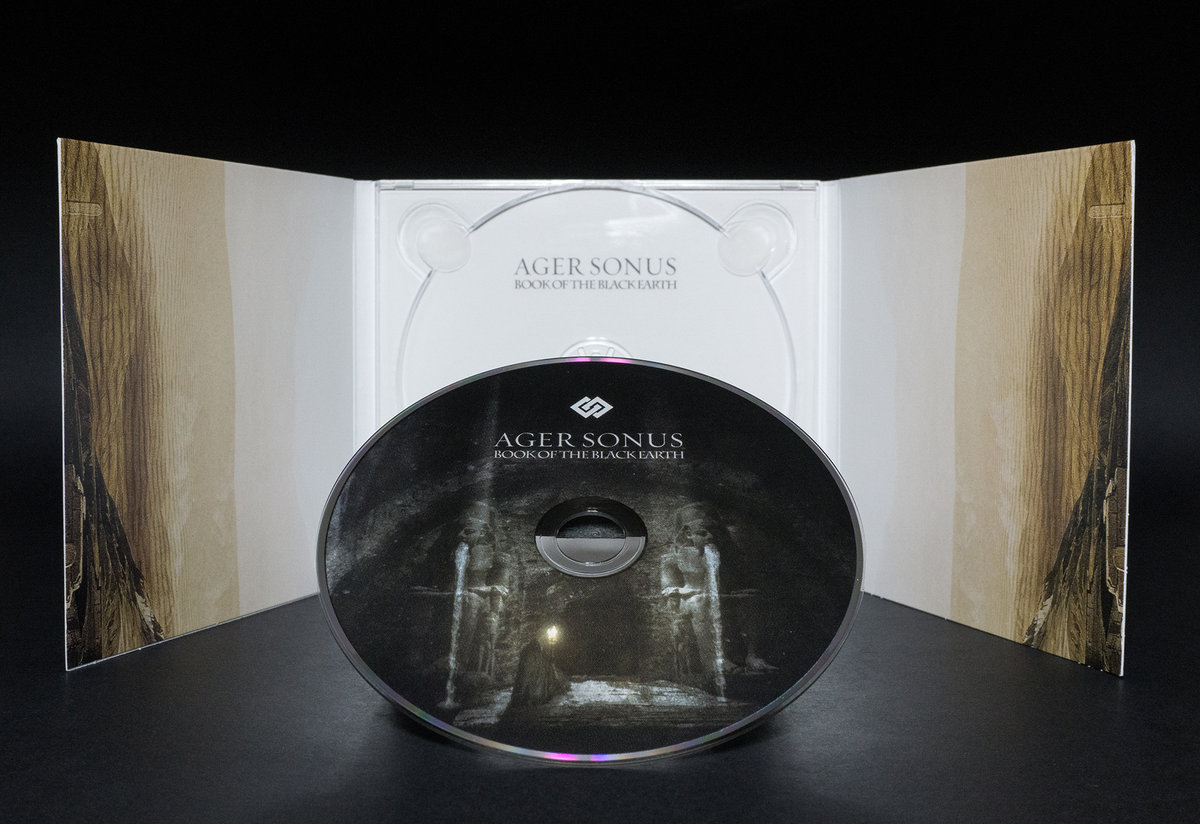
Michael: Book of the Black Earth seems to be mostly focused on ancient Egyptian ruins, more so than the actual ancient Egyptian people. Have you actually been to any of these ruins?
Thomas: Sadly, I have been not. Egypt in itself and the mystery surrounding its history has always been a huge interest of mine, I always loved movies that had Egypt as a theme when it came to mystery and I also loved certain video-games just because of that setting.
Michael: What in particular drew you to this Egyptian concept?
Thomas: It is not just the mysterious elements regarding the gods and the concept of the Egyptian underworld, I was wondering if there was a way to create a musical journey, quasi substituting for the fact that I have not visited Egypt (and probably never will), at least not in a rummaging-through-ancient-tombs-kind of way.
Michael: I think you’ve certainly achieved that goal. I was recently reading “Under The Pyramids”, a story that was ghostwritten by H.P. Lovecraft for Harry Houdini. The music perfectly fit his narrative of being trapped inside a pyramid which was filled with ancient gods and demons. Will you veer off into a different direction for your next album, or are these themes presented on Book of the Black Earth essential to Ager Sonus?
Thomas: I have not yet narrowed down what the concept of my next album will be, Book of the Black Earth was a great learning experience since this is my first album that told a cohesive story. My albums so far always had a “theme” but the tracks always stood for themselves. Liminality was about going to places that were, to many people, unreachable or uninhabitable, yet I wanted to have a musical representation of being there, so I could “visit” them in my head. So in a sense, that set the groundwork for Tartarus and now Book of the Black Earth.
Michael: I see that you are also interested in orchestral music. Do you have a background in classical music?
Thomas: No, but orchestral music is a huge joy to listen to. I just love how so many musicians can work together in harmony to create amazing experiences. From film scores, video-game scores, classical pieces from Mozart or Beethoven, there is a lot to enjoy and to inspire.
Michael: Do you have a favorite classical composer or a favorite piece of music from this area?
Thomas: I mentioned Beethoven, the “Moonlight Sonata” is one of my favorite pieces because of its dark tone, so to me it showed me early on that darkness is an important part of me.
Michael: What are some of the various instruments that you play?
Thomas: I don’t actually play an orchestral instrument which I regret very much not getting into earlier in my life. The passion to actually create music myself came much later, for the longest time I was “just” a listener.
Michael: I see that you are also a drummer. Would you like to speak any about that musical project?
Thomas: I started playing the drums at 27 years of age which some would say is way too late (and I agree). It just took way longer to learn a lot of the techniques, especially in terms of coordination but I am happy how far I got with it.
I play in a Punk/Rock/Hardcore-band though it is more just for fun. We don’t play live regularly and we don’t record the music in a professional way. Just a fact of having day-jobs and some of us being fathers, it is just not do-able, which we regret sometimes, playing live is a lot of fun.
Michael: When you are creating music, is there a place or idea from which you are able to draw a constant motivation, or does the motivation for each track come to you in different ways?
Thomas: It depends, I had cases where I already knew in my head how I wanted a track to sound, what instruments to use, what name I would give it etc. But I also had tracks where the motivation came from listening to recent field recordings or just playing a few notes on my keyboard. Once I find the “opening” for a track it mostly, for lack of a better term, writes itself.
Michael: Do you perform any rituals in preparation for working on music?
Thomas: Does drinking coffee count? Mostly I just need to be in the right mindset and be relaxed. I love to create music when it is rainy outside. I just like the atmosphere of it being cloudy and the rain interacting with the environment has a nice sound to it, also I have a few bushes and a tree in front of my window next to my workplace, I enjoy having those react to the wind. I am probably very weird.
Michael: Well then we are both weird! I also find a great deal of inspiration from gloomy/rainy days. When working on Book of the Black Earth, did most of your sounds come from the digital spectrum or did you also incorporate some analog synths, or live instruments?
Thomas: It has all been digital, there are a few sample libraries of real instruments which I use from time to time. In this case I needed “real” flutes and other Egyptian or Middle-Eastern instruments. Since I don’t have the resources to get the real world instruments I like to rely on these libraries, which allow me to play very realistic articulations which was important for the flutes I wanted to use.
Michael: Is dark ambient currently your main focus in music, or will you be taking a break and working in other areas before writing another album?
Thomas: Dark Ambient is my current focus because it allows me to try out all kinds of themes and composing styles which gives me a lot of creative freedom. Before working on a new solo release I would love to work with some of the other artists on Cryo Chamber, that would be amazing and a huge learning experience to work with these amazing musicians.
Michael: Are there any movie directors, authors, or artists that truly inspire you? Of course, many of us could probably write a list, but is there any one that you hold sacred above the rest?
Thomas: This list could be very long but I will try to select only a few: John Woo was one of the first directors that I followed very closely, whose visual style always fascinated me. While I don’t have a particular genre of movie I like, he comes to mind almost immediately.
In terms of authors I very much love Dean Koontz, John Saul and Stephen King. Especially the first two wrote riveting horror/mystery-stories that didn’t just inspire me but a whole set of movie directors out there.
Michael: Between geo-politics, concerns about the climate, and religiosity, there seems to be a lot of turmoil in our current times. Do you see “the apocalypse” (in whatever form that may be) coming? If so, how do you think it will happen?
Thomas: The mystery-fan in me has all kinds of ways of how it could happen, though realistically if it happens we will probably go down due to our own doing. Melting pole caps swallowing up countries, woods dying, whole lands drying out etc. Or an asteroid! Not a fun thought.
Michael: Thank you very much for your time, I’ll leave the last words to you!
Thomas: A big thank you to Simon Heath for giving me this chance to reach more people with my music, the chance to collaborate with people I look up to, people that inspired me. And of course a huge thank you to the people that actually listen to my music, I hope it helps you to relax or take you to other places!
Ager Sonus links: Facebook, Bandcamp (personal) (Cryo Chamber), Cryo Chamber Profile

 Dmitriy: Hi! Dark ambient and similar music attracted me for a long time. The first thought about creating a music label came to me about 2-3 years ago. I was in correspondence with Halgrath and a few other performers. At that time, Halgrath was not published on Cryo Chamber. But a clear concept at that moment was not developed. Only a year later, the idea came to me again. We thought – what’s missing, in our view, for the presentation of the album and developed further on this style, as a sound and visual component of our releases.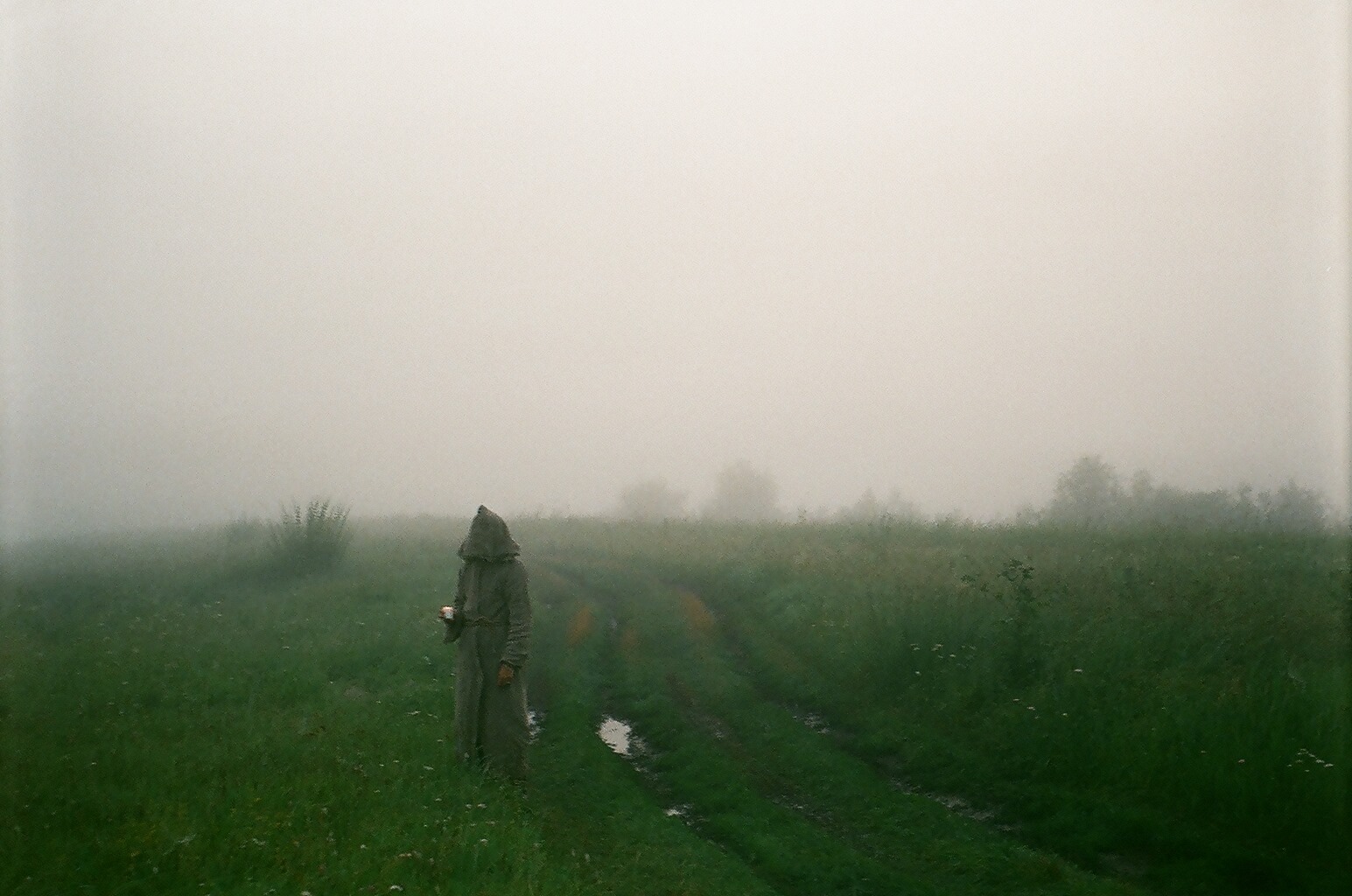
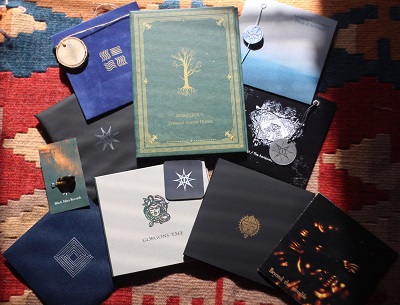 Michael: The Dark Side, by Ugasanie, was the first record to catch my eye on Black Mara, as I’ve been a huge Ugasanie fan for several years now. It seems like his album was a great way to get the word spread around about Black Mara. Are you friends outside of the musical world?
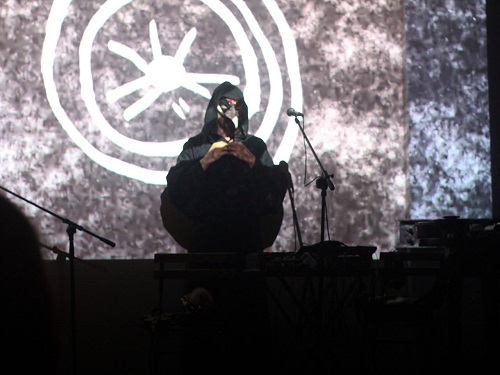 Dmitriy: Ad lucem Tenebratum (Ad Lux Tenebrea) is quite an old and well-known project. They are considered to be one of the pioneers of the genre in Russia. They have published music since 2003. First, material for publication must be conceptually interesting. Secondly, it is very important to the quality of material to release. And third, music should affect the imagination and emotions, like I said earlier.
 Creation VI
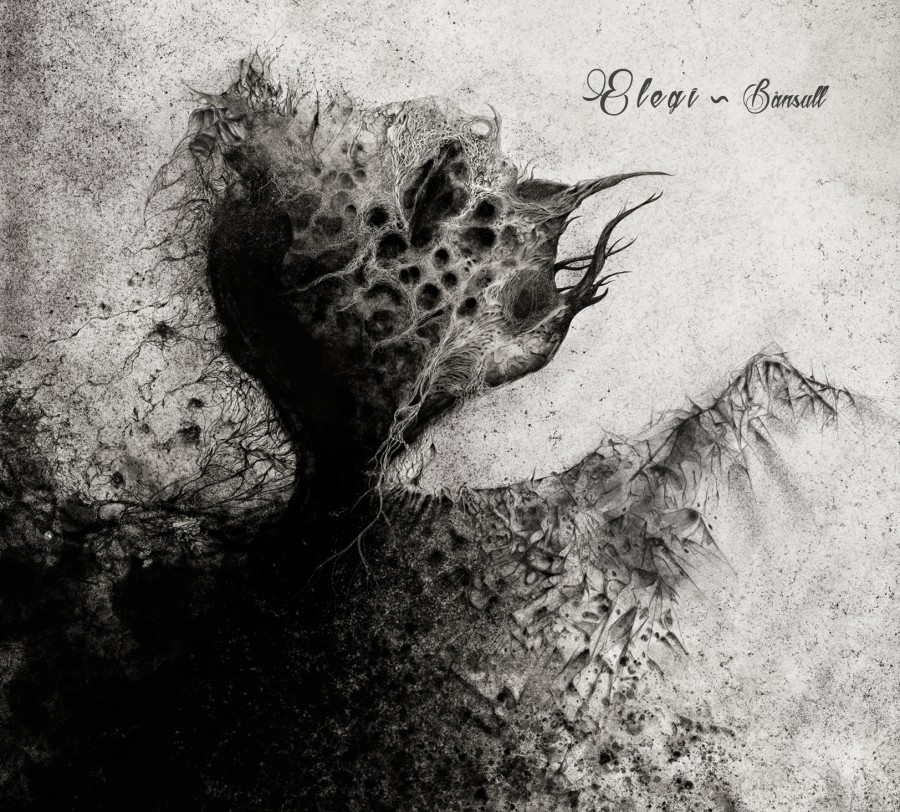
 Elegi
Elegi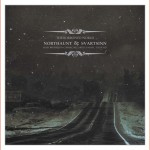 Northaunt & Svartsinn
 Svartsinn
 Hypnagoga Press
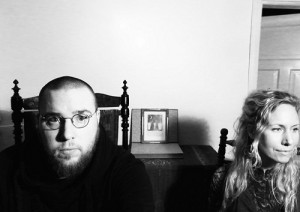 Pär Boström has been involved in a ton of projects since the rejuvenation of his musical career in 2015. We’ve seen two Kammarheit albums on Cyclic Law (The Nest and Unearthed 2000-2002), the second release under the Cities Last Broadcast moniker on Cryo Chamber, the founding of the new label Hypnagoga Press with his sister Åsa Boström, the debut of the siblings musical project Hymnambulae and the new project Altarmang between Pär and Kenneth Hansson which released the debut Void at the end of 2016. Add to that Pär’s involvement in the collaborative albums Onyx and Echo along with Atrium Carceri and Apocryphos and its easy to see that there are a ton of things happening, as well as the prospects of plenty more to come. So in July of 2016 I got in contact with Pär and Åsa to ask the siblings some questions about their many projects happening in relation to the dark ambient scene.
 Pär: It’s something we’ve talked about for at least a decade now. We both wanted to build a place that could hold all our projects, from art prints to music to children’s books and poetry, with focus on beautifully packaged limited editions. We’re both nerds when it comes to packages and design and we need something like this to challenge ourselves.
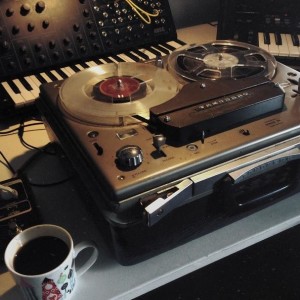 until that night I had no name for it, no concept or any real inspiration. If I remember correctly it took almost a year until I continued to make the other five albums from the Unearthed box. By then I’d started using other software and had a bit better understanding about what I wanted to make and how to do it, although I remained totally ignorant about sound quality and proper mixing techniques. I had promised myself that Kammarheit would be a project about recording atmosphere and not to worry so much about how to make actual songs. All the albums of Unearthed were made to keep me company during my insomnia. I had no plans to release any of them, I just wanted somewhere to go, something that could help me explore the inner worlds that I was obsessed about. I was depressed, numb. I didn’t feel much during the days but at night I could drift away somewhere and that really helped. I rarely listen to any of the albums today but when I do I feel a strong sense of gratitude. I don’t know what would have happened to me if I hadn’t made that music. Frederic wanted to release the albums on Cyclic Law many years ago but I wasn’t ready. It took a lot of convincing, but I’m glad they got a proper release at last. They had already been available in dark corners of the Internet for years, so why not make something proper of it. Even if the material is very uneven and in my opinion not very good at all, it shows where I’ve been and how Kammarheit started.
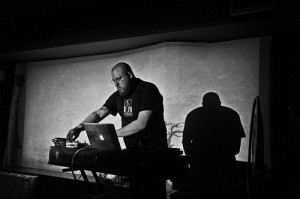 Michael: How much different is the creation process now with modern DAWs, do you like the new systems or do you prefer the old way?
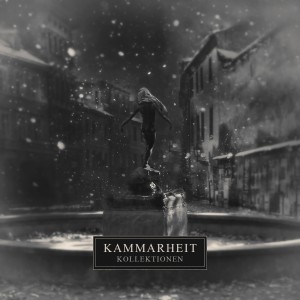 my albums and he has come very close to how I see the music myself. In the past it felt more important to not be too specific. I wanted to leave a lot of space for the listener’s own imagination but even if I did include more images the listener would probably still want to go to their own places instead. In the end I think the music will always speak best for itself.
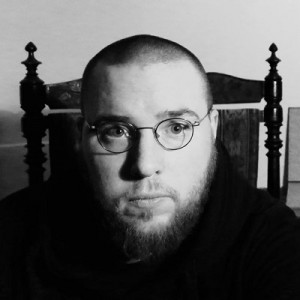 Pär: I’m indeed a David Lynch fan. I especially love Twin Peaks and watch it on a regular basis. I also enjoy his music and writing. The Music Of Hildegard von Bingen album he did with Jocelyn Montgomery and his album The Air Is On Fire is something I often go back to. I love reading and I love collecting beautiful books with old illustrations but I haven’t read much lately. I’ve been busy with music and writing and when I get some free time I want to either take notes while listening to music I work on or just rest my head in a quiet space. At the moment I’m reading The Club Dumas again, the book that lead to the movie The Ninth Gate and from time to time I read books on printmaking and a biography about Tove Jansson who wrote the Moomin books. There are unfinished books laying everywhere and I often just pick one up and read a few pages before I do something else.
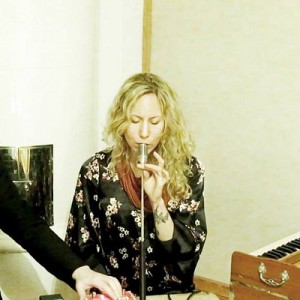 Åsa: Orgelhuset is loosely based on improvisations we’ve done for the past seven years. For this album Pär has been the technician, using his skills to figure out how to musically translate conceptual designs we’ve outlined together – alongside visual, text-based and philosophical concepts. When we’re in the studio we tend to work quickly. Over the years, having listened to the same music, been exposed to the same influences, developed similar preferences, as well as several differences of course, we’ve developed an understanding for each others creative worlds and created a common language that’s very useful when collaborating. In the studio we have an ongoing dialogue, often referring to our other projects in progress and the overall plans for what to publish on Hypnagoga Press. I have a history of playing the violin and with spoken word and dance. Voice has been my main instrument, as an extension of my writing. Onwards it will be interesting to see how our collaboration through Hymnambulae will inform my overall creative practice – as an artist, writer and composer.
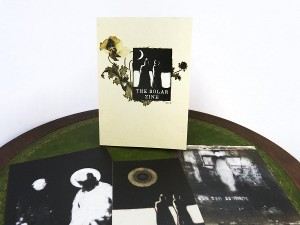 Åsa: This summer I’m exhibiting art in Italy and the US. Together with a team of consultants I’m also working on scaling up a program for writing after trauma called Write Your Self, a program I’m the owner for – a big creative project for me. Besides this I want to spend as much time in the studio as possible. In my own art-making I’m currently experimenting with film-making, and in my writing I’m moving between several text projects, completing a collection of poems, a children’s book and a novel. After all these years of traveling I’m enjoying being still and spending time with collected supplies and impressions. When living in France a couple of years ago I studied paper-making. It would be nice to equip my home studio for that.
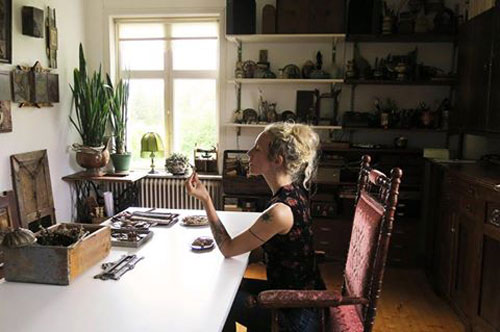 Åsa: Thank you. Difficult question, still getting used to not being a complete nomad. Perhaps something by French symbolist Gustave Moreau, like The Apparition (love his museum in Paris); or Le Silence by Lucian Levy-Durmer (hanging at Musée D’Orsey); or something by American abstract painter Rebecca Crowell. I took a workshop with her in Ireland a couple of years ago; she works with oil, cold wax and pigments, making multi-layered and heavy-textured paintings with both simplicity and complexity to them. I’m very selective with what I bring into my home, it has to really add to the space – presence, spirit, beauty, complexity that can grow over time. Or perhaps traditional Japanese screens. Something that I could reflect upon while exploring where to take my own art-making next.
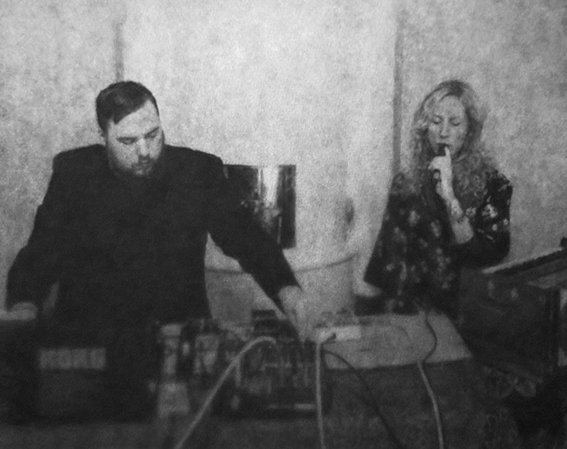 Michael: Will you plan to work with more guest musicians in the future? Any particular instruments you dream of collaborating with?
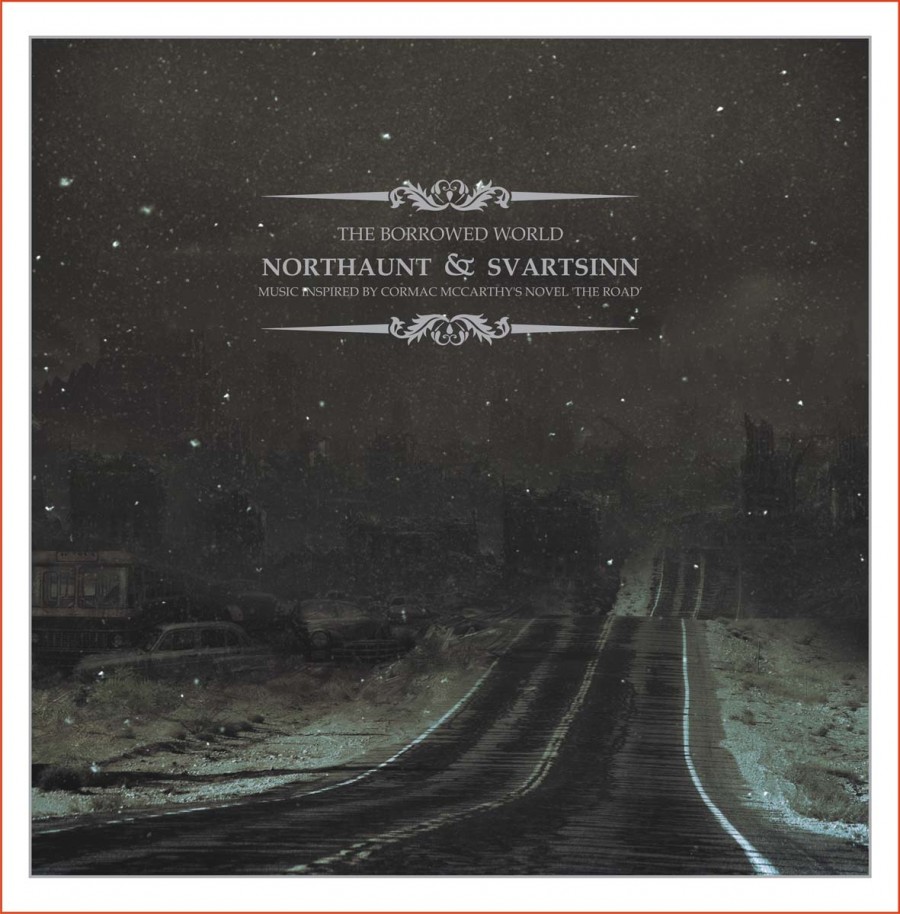
 The Road, a post-apocalyptic novel by Cormac McCarthy, has lent inspiration to a number of dark ambient players. Yet, no where more strongly or directly than on the instant classic The Borrowed World, a split by Northaunt and Svartsinn.
 To understand what The Borrowed World is all about we must first understand the common thread between the two artists. The Road, a post-apocalyptic novel by the renowned author Cormac McCarthy. The Road follows a man and his young son through a world that is lost. Devastation presents itself to them at every turn. The struggle to wake the next morning and keep fighting for life is existentially hard for them to grasp.
 Yet, as we move into the second half of “If Only My Heart Were Stone”, the soundscapes take an emotional turn. We move from dull gray vistas into the mind of the protagonist. The father struggles with a key dilemma throughout the novel: Is it better to commit a murder / suicide and end the suffering of himself and his child, or should they continue to fight for life, even if there seems to be no chance of respite. Northaunt makes it possible for us to feel those emotions. “If Only My Heart Were Stone” moves from those barren soundscapes into his most introspective and emotional work to date.
 Svartsinn opts to incorporate a few samples from the movie adaptation of the novel into his track. We hear the father describe those last moments with his wife. Then, moments later, we hear the son crying out, “Papa! Papa!” in a sickly heart-wrenching whimper. As the last major events of the album, these clips tear at the heart, leaving the listener in a sullen state of mind.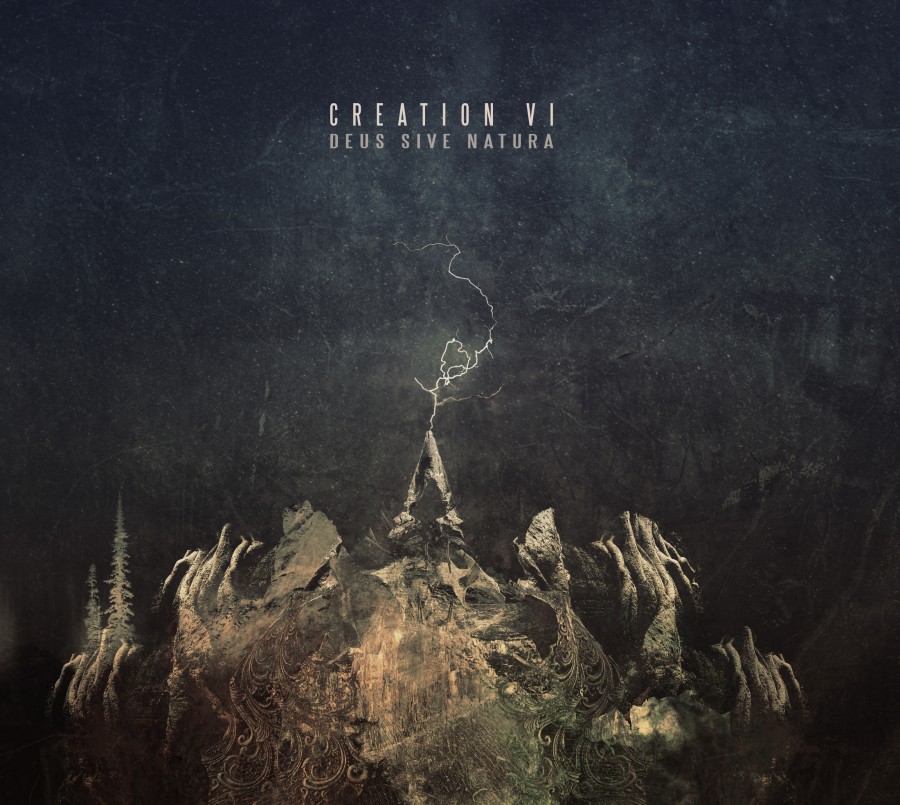
 Where Winterblood truly captures my interest is in the way he seems to effortlessly meander between dark ambient and that ever growing, often notorious, genre of dungeon synth. Winterblood takes on a minimalistic approach to his music. Most often incorporating little more than a layer or two of synthesizer. This stripped-down approach helps promote those feelings of isolation in the cold. In the past he has also incorporated field recordings, bringing that biting winter wind right into the mix.
 On all fronts, Transmissions is a successful side-project. There are certainly dark themes present, whether that is the devil or extra-terrestrial beings. The sounds are consistent and interesting. The album stays active enough to definitely hold the attention of listeners throughout every moment. The loops giving a meditative foundation, the vocal samples adding a sort of life and story to the project. Yet, there is still a passivity to all this, giving readers and scholars enough distance from the sound that they can focus on their tasks. Reeves seems to have tapped into something really promising here. Keeping in mind that this was not a planned album, it seems likely that the next outing as Black Box Memories will be even more interesting, and will take the sound to a more focused and story-driven destination.
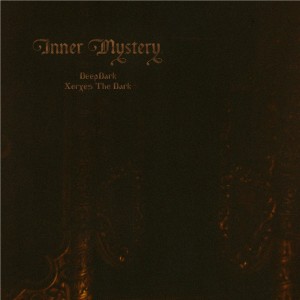 The content provided by both artists on Inner Mystery is top notch dark ambient music. This is the first split to be released on Black Mara, and it seems obvious that the label’s owner knew a gem when he saw one. Inner Mystery is dark ambient for any discerning fan. The sounds are well prepared, well executed and well packaged (thanks to the efforts of Black Mara). Inner Darkness is an album that may only provide a few overtly memorable moments, but it is consistently solid, quality work. This is music for the darkest of souls, wanderers of the night, those who would always prefer to lurk in the shadows. If one is new to the sounds of DeepDark and/or Xerxes The Dark, this is the place to make their discovery. It is a fine collection of tracks, by two of the most underrated dark ambient artists in the genre.
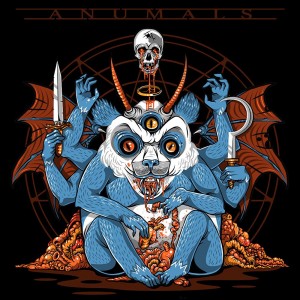 Anumals is a truly unique experience. If you hate hip-hop, I doubt you are going to be swayed. But if you do enjoy this genre or at least the occasional song within it, you should find a good bit to love about the dark/horror/occult themes on Anumals. While the sounds themselves are often far from those of dark ambient, the themes, samples, and lyrics of the music should be welcome content for dark ambient fans with an open mind.
 Back in 2015, Enmarta had just landed on the dark ambient scene. His debut album Sea of Black took listeners into a brilliant world of dark ambient blended with authentic classical instrumentation. The album quickly became a lauded addition to the Cryo Chamber label. Since this interview, Enmarta has released his sophomore album, The Hermit which went even further in realizing this neo-classical / dark ambient amalgamation.
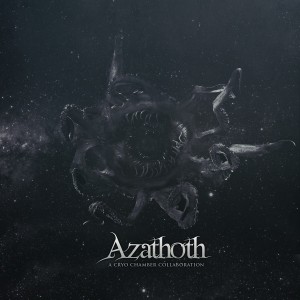 Azathoth was unleashed on the world in 2015. The collaboration by the Cryo Chamber collective was the second in their series of Lovecraft albums. The series started with Cthulhu and in the time since this publication Nyarlathotep has also been added to the series. The following interview gets some insights about the Azathoth album from a few of the artists involved.
 In August of 2016 I conducted an interview with the dark ambient artist Randal Collier-Ford. He was fresh off the release of Locus Arcadia, a collaboration between himself and three other Cryo Chamber artists. Not too long before that he released his second album through Cryo Chamber, Remnants. He talked about some of the behind-the-scenes of the Locus Arcadia as well as his plans for the future, among other things. Here you can get to know a bit about the man behind the music.